From Farm to Market: The Journey of Cambodian Mangoes to the World
Introduction
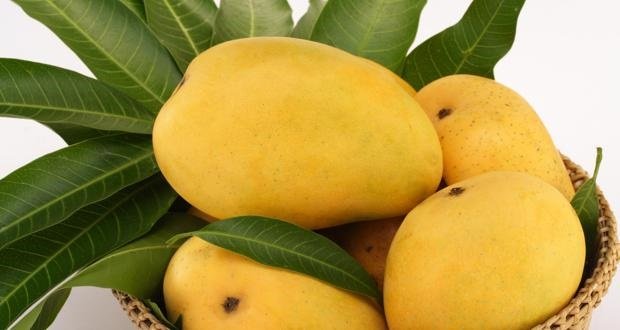
Mangoes are more than just a fruit in Cambodia — they represent hope, opportunity, and international recognition for the country’s farmers. From the rich red soils of Kampong Speu to the tropical orchards of Battambang, Cambodian mangoes are gaining global attention for their sweetness, aroma, and export quality.
Today, Cambodia exports mangoes to major markets such as China, South Korea, Japan, and the European Union, turning this tropical fruit into one of the nation’s most valuable agricultural exports.
1. Where It All Begins: The Mango Farms of Cambodia
Cambodia’s mango farms cover over 130,000 hectares nationwide, with Kampong Speu, Battambang, and Kampot being the largest producing provinces. The most popular varieties include:
- 🥭 Keo Romeat – known for its sweetness and export quality
- 🥭 Keo Chen – prized for aroma and juiciness
- 🥭 Nam Dok Mai – a Thai-origin hybrid variety grown for premium markets
Farmers are increasingly shifting to GAP (Good Agricultural Practices) and organic methods to meet international standards. Many cooperatives now work with exporters to improve fruit quality, packaging, and traceability.
2. Harvesting and Post-Harvest Handling
The mango season runs from March to June, when farms across Cambodia are busy with harvesting. To ensure export-grade quality, mangoes must be:
- Harvested at the right maturity stage (80–90% ripe)
- Washed and cleaned to remove latex and sap
- Treated against pests and diseases
- Packed carefully in temperature-controlled environments
In recent years, modern packing facilities have been established in Kampong Speu and Kampong Cham. These facilities use hot-water treatment and vapor heat treatment systems approved by China and other importing countries.
3. From Farms to Export Centers
Once processed, mangoes are transported via refrigerated trucks to export collection centers. Cambodia’s proximity to Vietnamese ports and Chinese borders provides strategic trade advantages.
Exports move through three main routes:
- Direct export to China via Prey Veng and Bavet border gates
- Sea export through Vietnam’s Cat Lai Port (Ho Chi Minh)
- Airfreight to Japan and Korea for premium fresh produce
According to the Ministry of Agriculture, Forestry and Fisheries (MAFF), Cambodia exported over 220,000 tons of fresh mangoes in 2024, with China accounting for more than 70% of total exports.
4. Challenges and Opportunities
Challenges:
- Pest management (fruit flies remain a big issue)
- Limited cold chain infrastructure
- Price fluctuations and market access barriers
Opportunities:
- Growing global demand for tropical fruits
- Expansion of processing industries (dried mango, puree, juice)
- Government investment in export certification and logistics
The National Mango Development Strategy (2023–2028) aims to increase export volume by 40% and expand Cambodia’s footprint in new markets like the Middle East and Europe.
5. The Future: Adding Value at Home
To boost farmer income and create jobs, Cambodia is investing in mango processing plants for dried fruit, juice, and puree production.
- Battambang Confection Co., Ltd. and Kampong Speu Agro-Industry now produce export-grade dried mango for Korean and Japanese buyers.
- With growing online sales channels, even small farmers can now sell directly to buyers via Foodbodia.com and other digital marketplaces.
Conclusion
From small family farms to global supermarket shelves, the journey of a Cambodian mango represents the spirit of a growing nation — resilient, resourceful, and ready to connect with the world.
As Foodbodia.com continues to bridge farmers and buyers, we aim to promote Cambodian agricultural excellence and ensure that every mango tells a story of pride and progress.
Sources & References
- Ministry of Agriculture, Forestry and Fisheries (MAFF), Cambodia – Agricultural Export Report 2024
- Cambodia Rice Federation & Mango Association – Annual Market Review 2023–2024
- General Directorate of Agriculture – Good Agricultural Practices (GAP) Guidelines
- UN FAO – ASEAN Fresh Fruit Export Statistics 2024
- Local interviews from Kampong Speu Mango Cooperative (2025)
Leave a Reply